All projects
Academic·2025
Miley Chatbot
CS341 Big Data: Product Recommendation Bot
- Role
- AI/ML Engineer
- Team
- Group Project
- Year
- 2025
Key figures
- Qwen
- Language model
- 2
- LLM modules
- 100% open source
- Technology
- CS341 Big Data
- Course
A group project for CS341 (Big Data) focused on building a product recommendation chatbot powered by a Large Language Model (LLM) and an end-to-end data workflow. The system is designed using fully open-source technologies, covering the full pipeline—from understanding user messages and retrieving relevant products via vector search to composing a natural-language response grounded in the retrieved context.
The problem
- 01Customers struggle to discover relevant products when datasets are large and diverse, making traditional search insufficient.
- 02Rule-based chatbots have limited ability to interpret natural language and user intent in context.
- 03A practical solution requires connecting language understanding to retrieval and generating responses that remain consistent with retrieved product information.
The approach
- 01Adopted Qwen (LLM) with Hugging Face tooling and leveraged GPU Cloud (Runpod.io) to experiment, tune, and evaluate models efficiently.
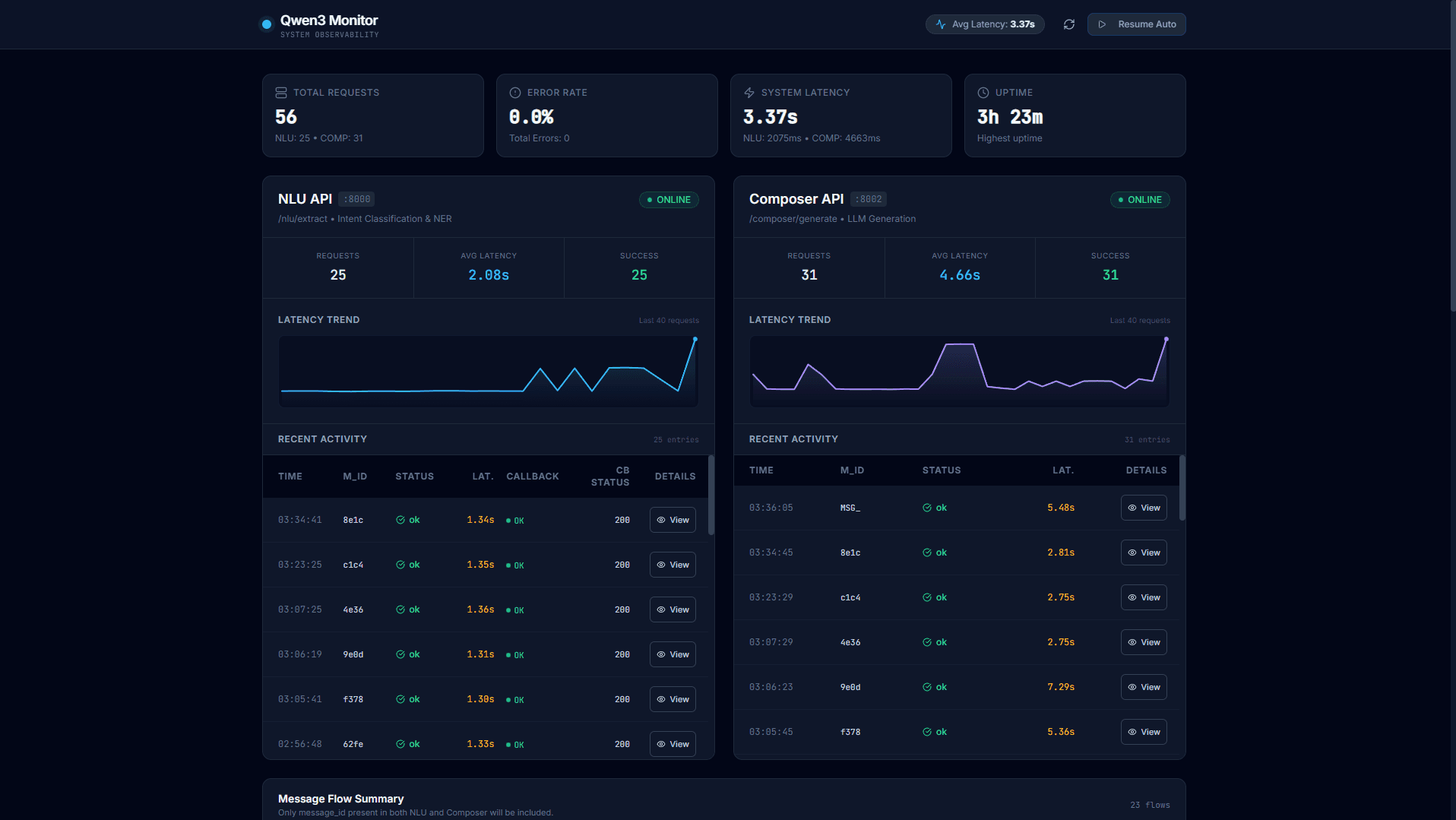
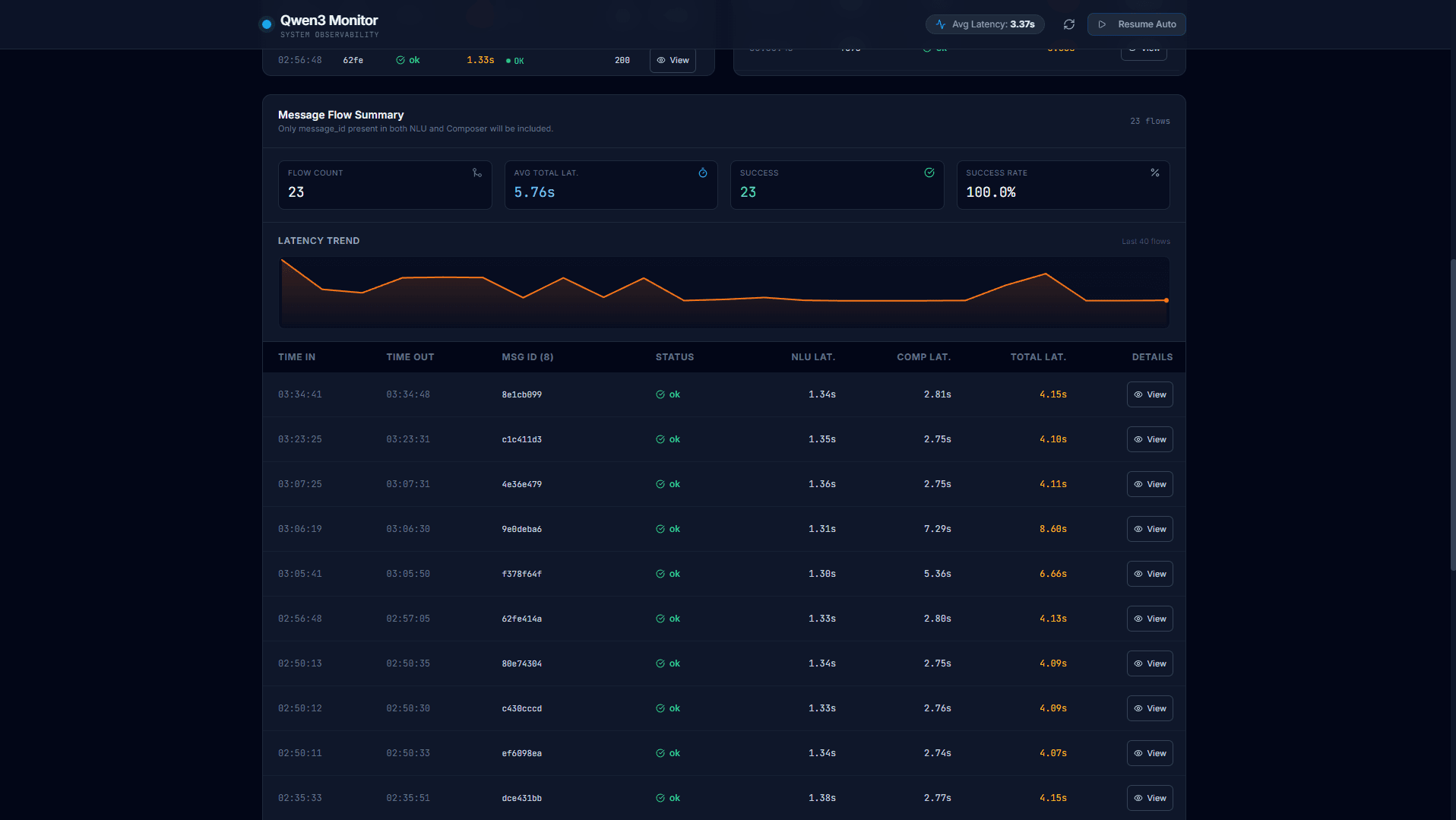
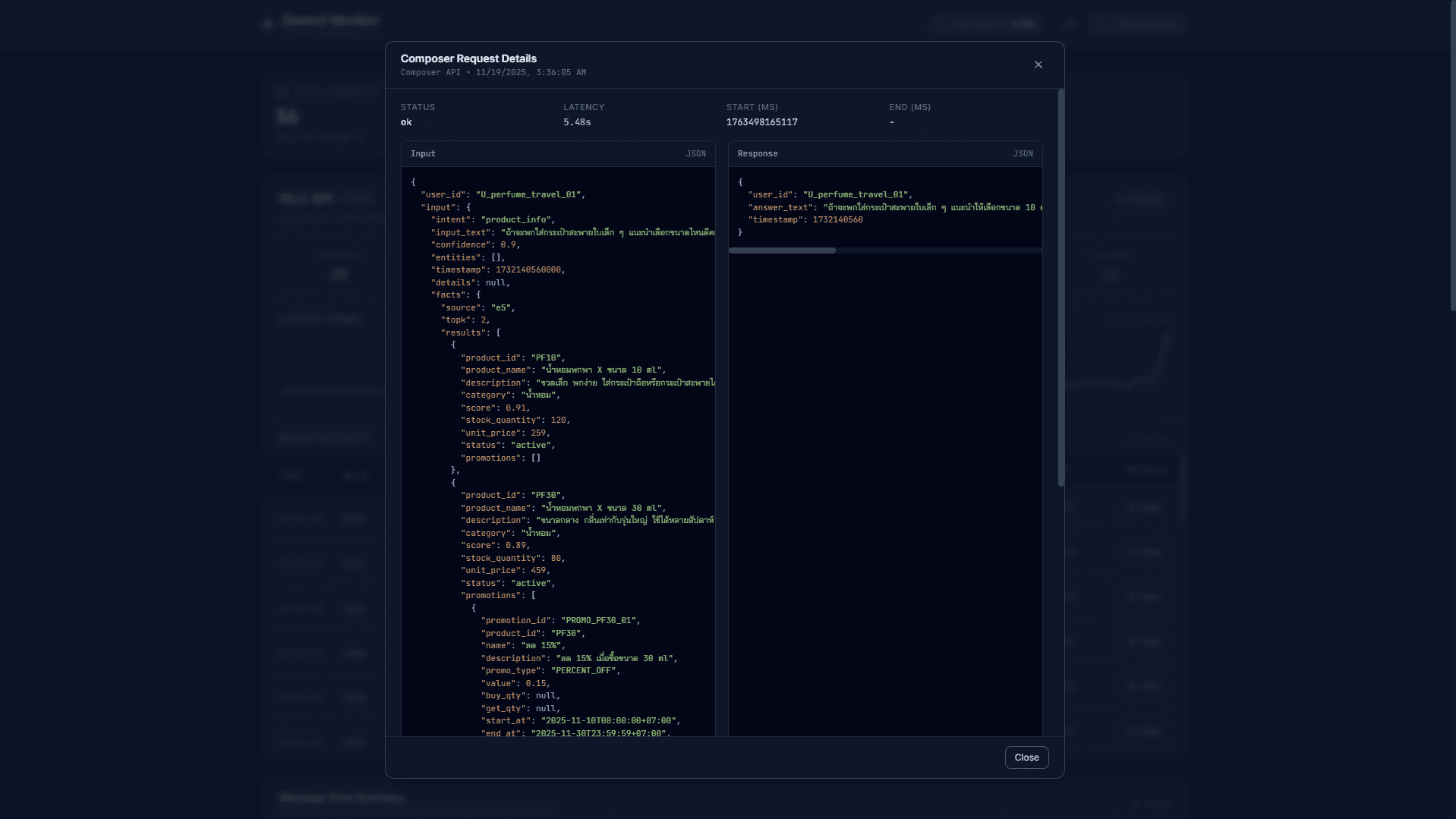
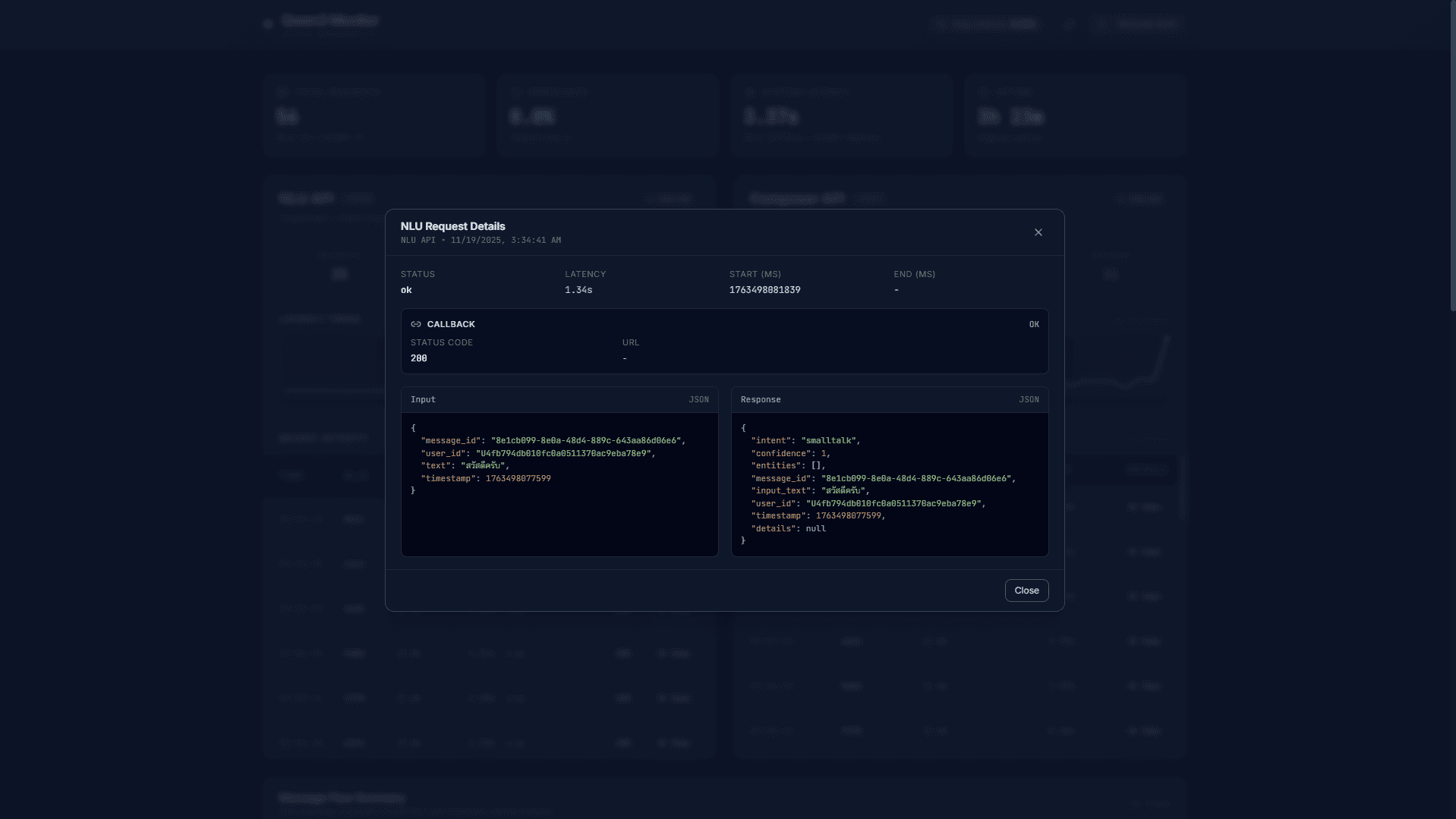
- 02Designed the Qwen-based LLM module as two components: (1) an Entity/Intent Extractor that parses user messages into structured signals before vector search, and (2) a Composer that processes retrieved product lists with conversational context to produce a well-formed final answer.
- 03Improved model effectiveness through tuning and prompt/instruction refinement to better fit recommendation scenarios and to reduce inconsistent outputs.
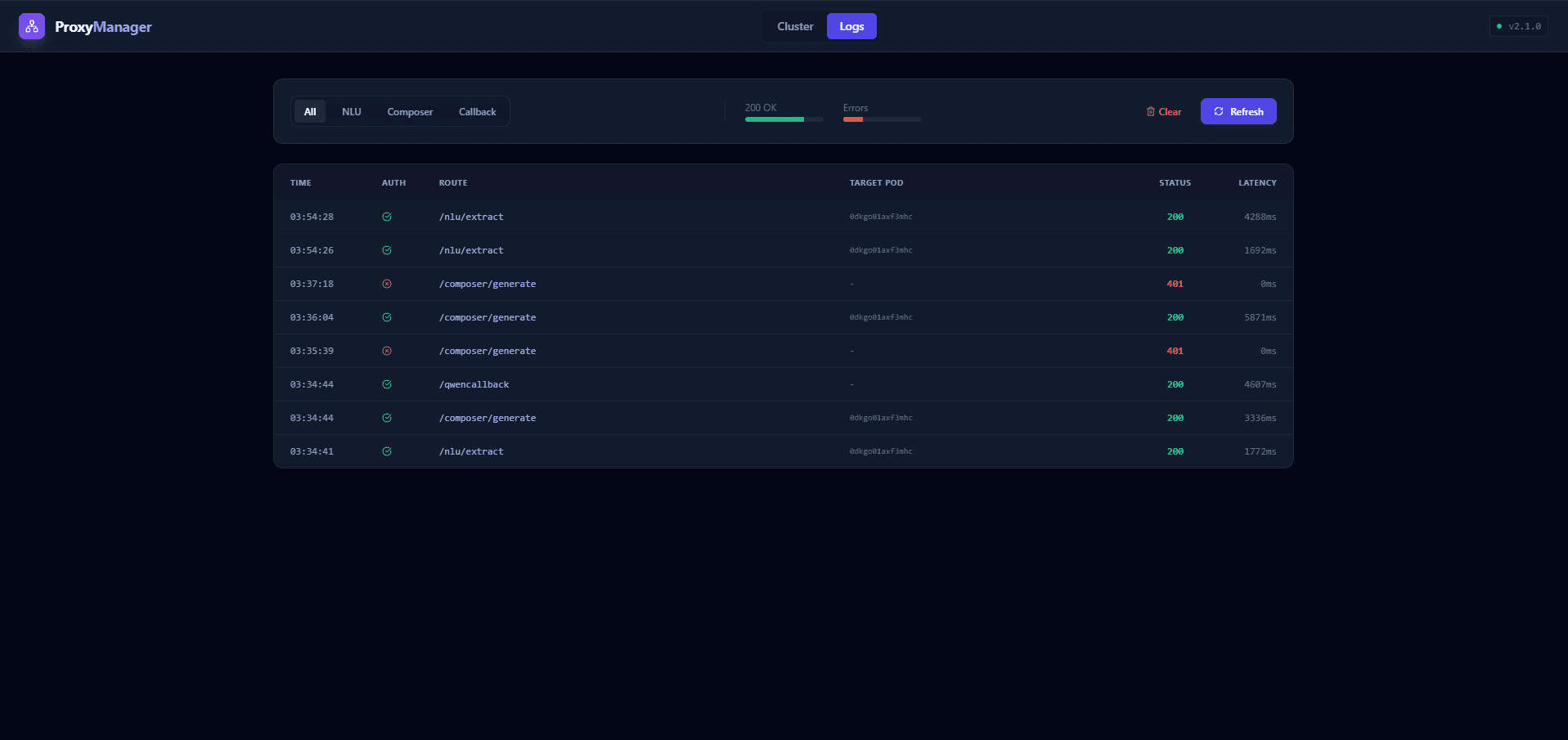
- 04Built a structured data pipeline to manage data preparation, query flow across modules, and the handoff between the LLM and vector search in a traceable, maintainable manner.
The result
- 01The system extracts entity and intent signals before retrieval, improving the structure and relevance of product candidates returned by vector search.
- 02The Composer generates natural, context-aware responses grounded in retrieved product information, improving overall conversational quality.
- 03Delivered practical end-to-end experience with an open-source LLM stack: data pipeline design, instruction/prompting, evaluation, and iterative tuning for better performance.
Gallery
Main
16:9 / MD





Section 2
9:16 / MDRetrospective
Challenges
- Designing a reliable data pipeline across Extractor → Vector Search → Composer with clear traceability and validation.
- Learning effective LLM instruction/prompting and iterating over large evaluation sets to stabilize output quality.
- Tuning models efficiently while managing compute constraints and experiment cycles on GPU cloud resources.
- Reducing hallucination by grounding responses in retrieved product lists and enforcing response constraints.
Learnings
- Designing a two-stage LLM workflow (Extractor/Composer) to connect language understanding, retrieval, and grounded response generation.
- Using Hugging Face to manage experimentation, evaluation, and tuning for task-specific performance improvements.
- Working with GPU Cloud (Runpod.io) for model training/experiments and managing iteration cycles effectively.
- Building Big Data pipelines that orchestrate multiple modules with consistent data flow and maintainable interfaces.
- Techniques to mitigate hallucination by constraining the generation context to vector-search results and using explicit prompting.
Interested in work like this?
Tell me about your brief — I reply within 24 hours.