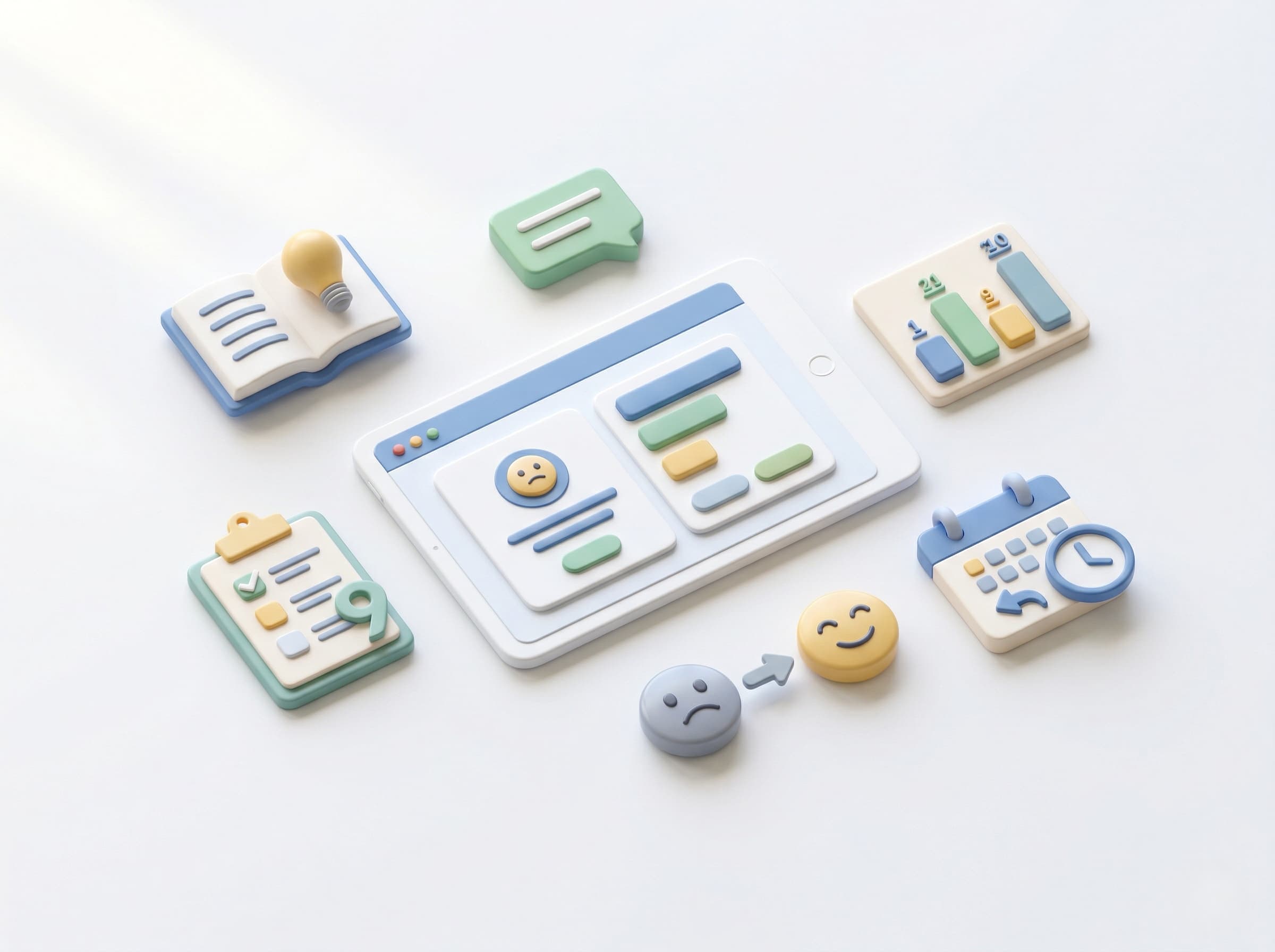
Key figures
- 9
- Screening questions
- 3
- Core pages
- Instant
- Result
- PHQ-9
- Standard questionnaire
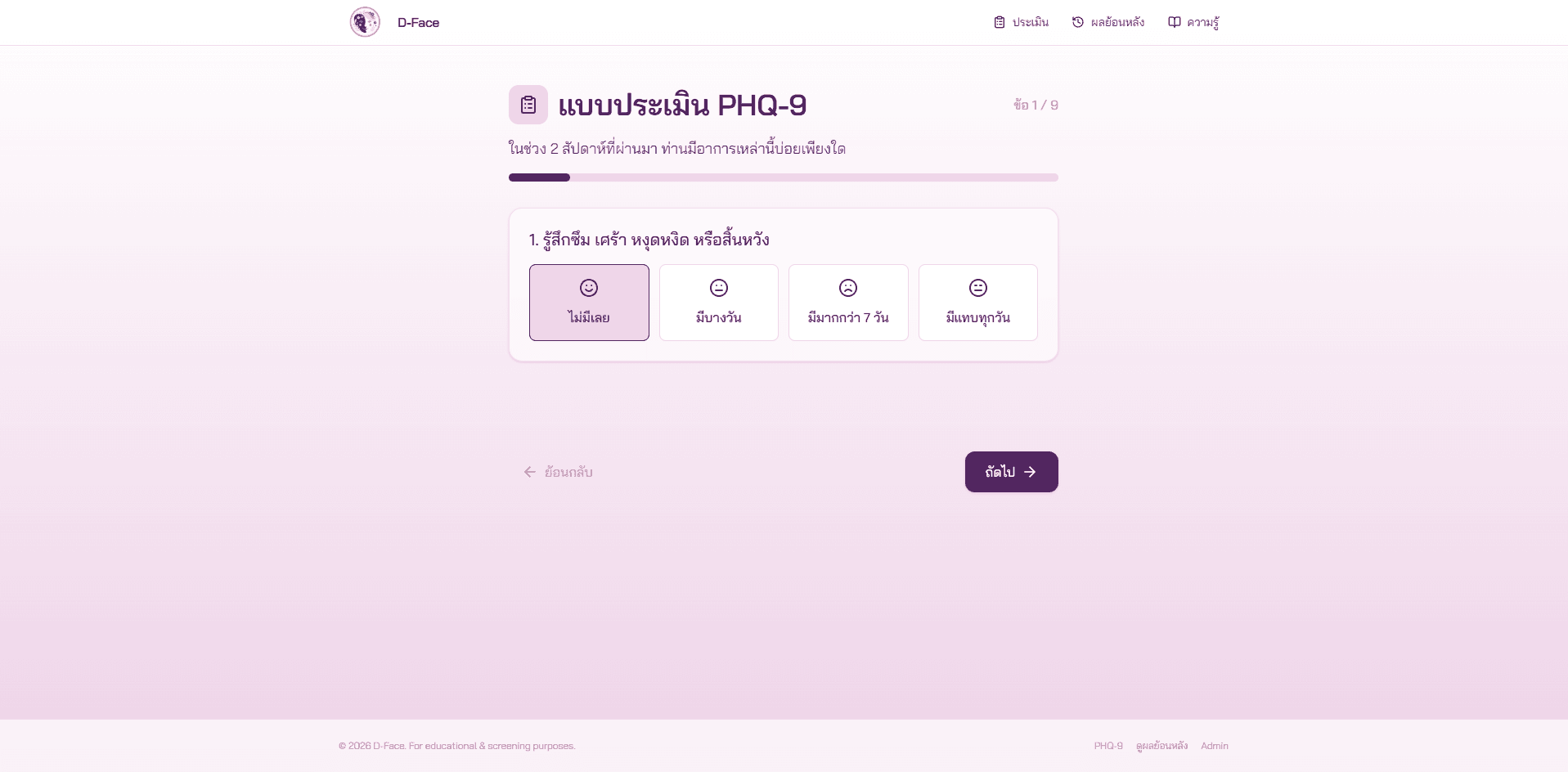
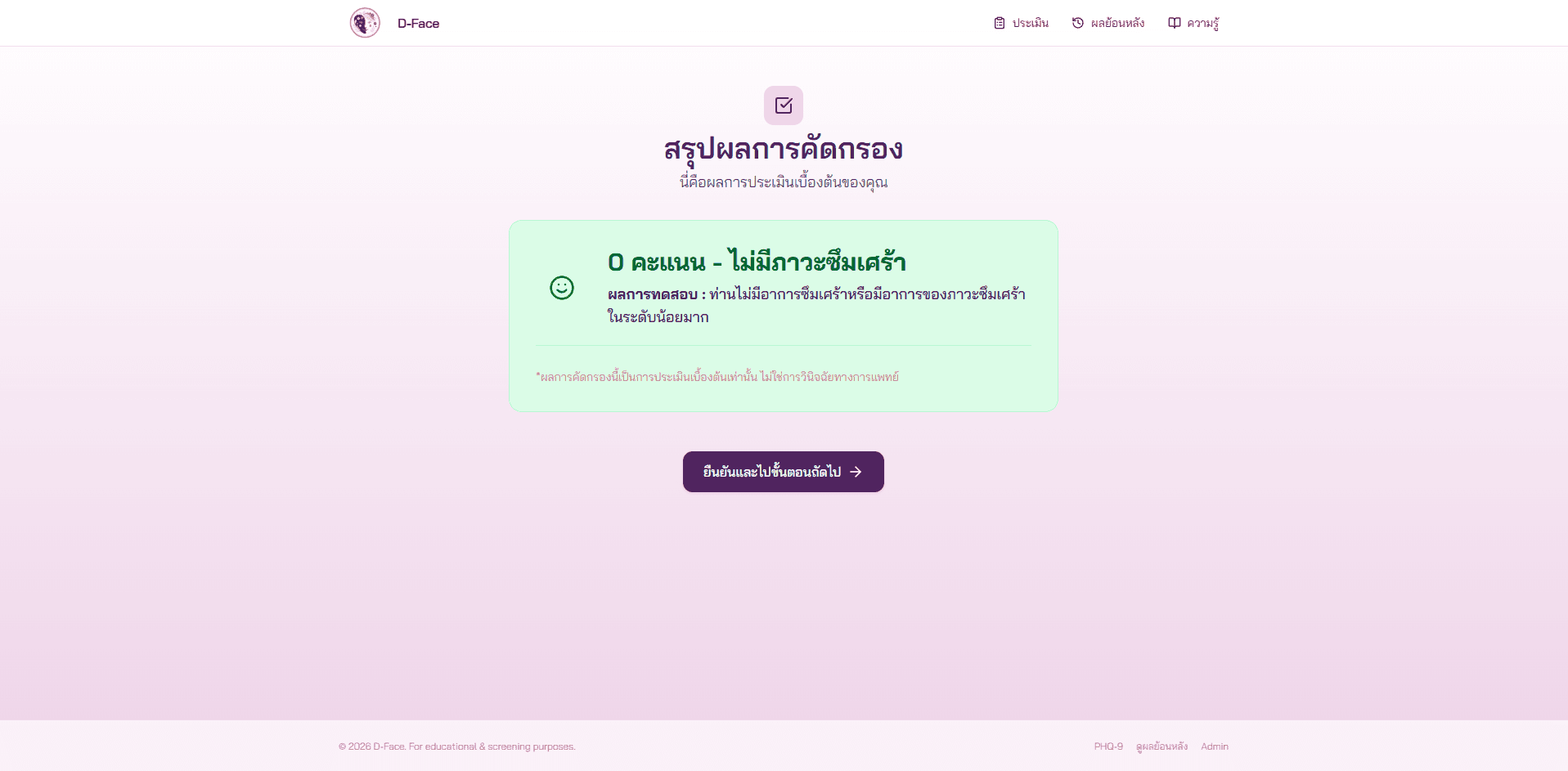
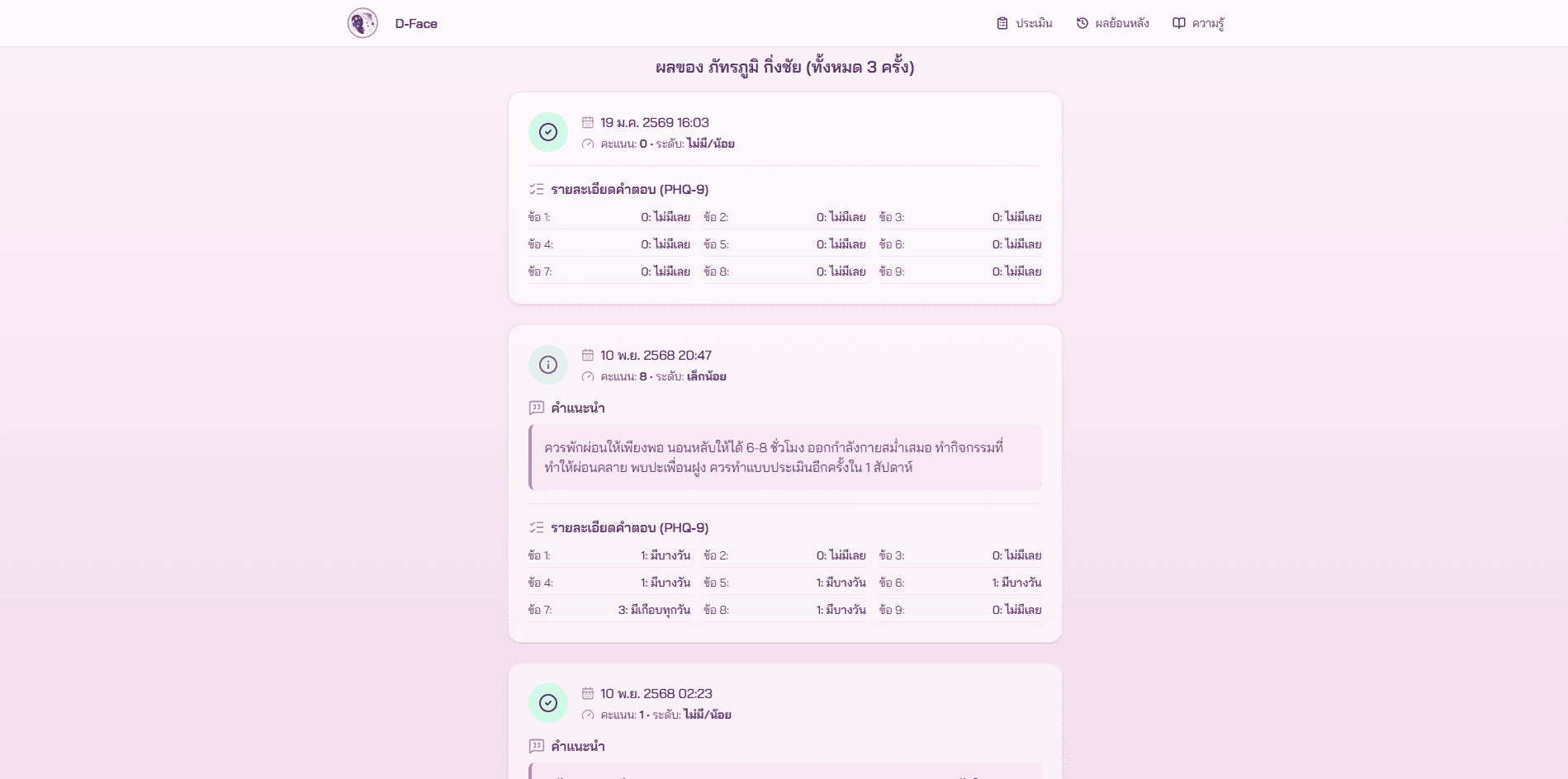
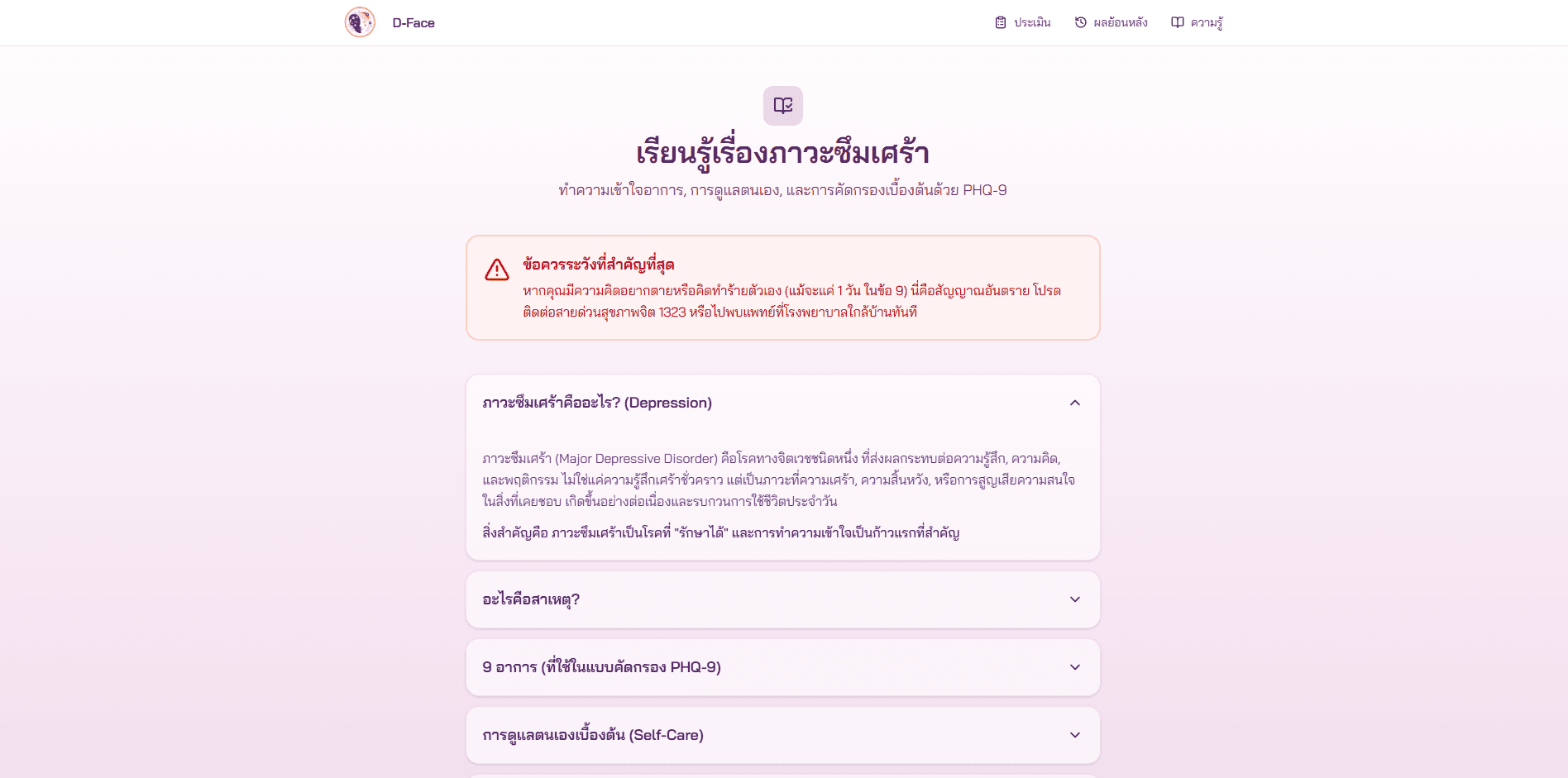
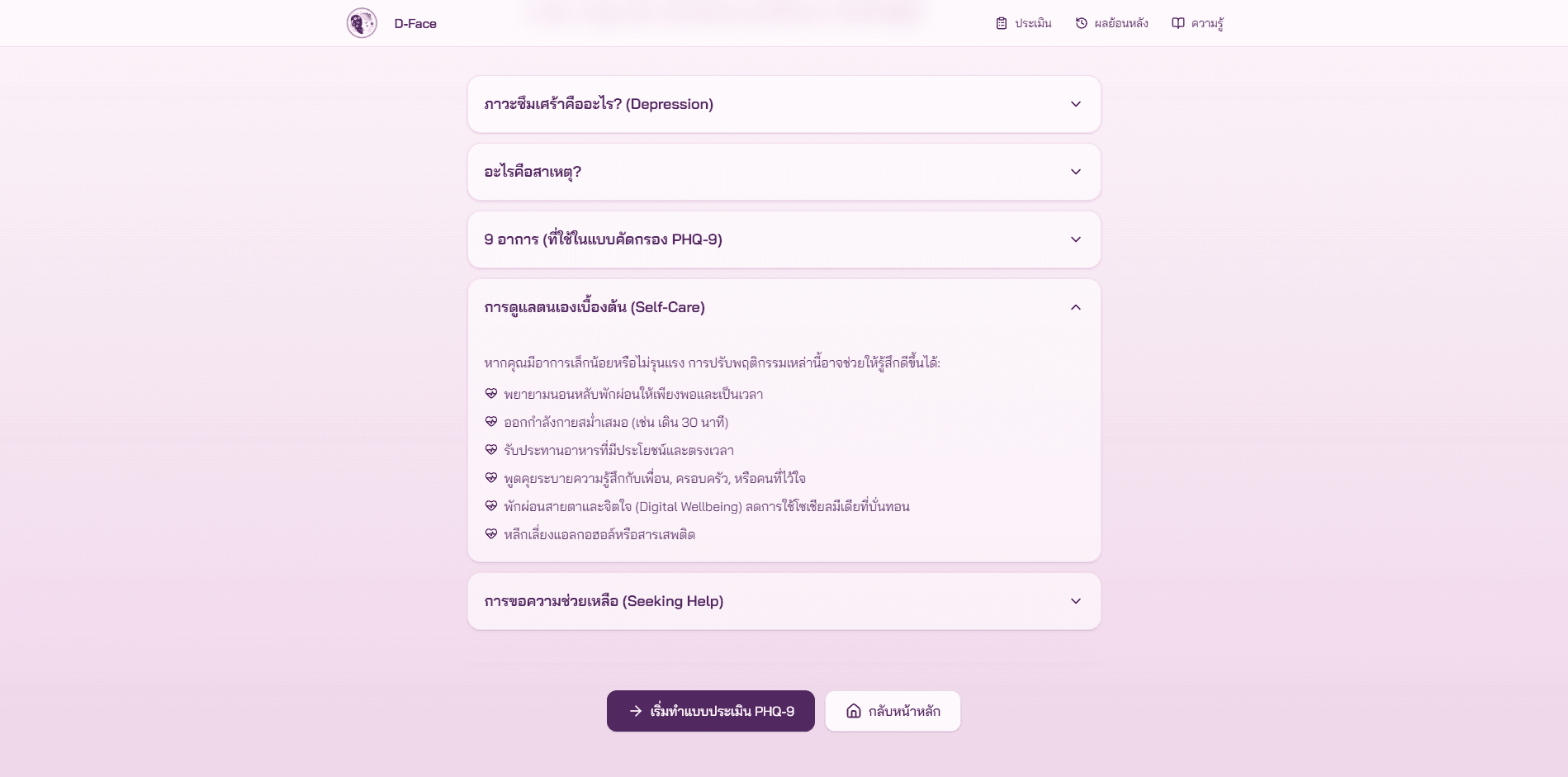
A web application for initial depression screening using the standard PHQ-9 questionnaire. This project was built as a hands-on exercise to implement a rule-based scoring system that evaluates responses against predefined criteria. It includes an information page, an assessment flow, and a history view for reviewing past results. After submission, the system calculates the total score, maps it to a severity level, and provides immediate preliminary guidance.
The problem
- 01Needed a consistent, criteria-based evaluation system aligned with PHQ-9 scoring rules as a foundation for a health-oriented web app practice project.
- 02Users should receive immediate results and preliminary guidance after completing the assessment to understand their score and next steps.
- 03Required supporting pages—educational content and a result history—to help users learn and track their assessment trends over time.
The approach
- 01Implemented the standard PHQ-9 (9 questions) as a straightforward, user-friendly form with completeness checks before evaluation.
- 02Built a rule-based scoring and severity mapping mechanism, then generated a result summary and appropriate preliminary recommendations instantly after submission.
- 03Added an information section to explain the purpose and context of the screening, and a history page to review past results and observe score changes.
The result
- 01Users can complete the PHQ-9 assessment and receive an immediate score summary with severity classification and preliminary guidance.
- 02A dedicated history view enables convenient review of previous assessments and trend tracking over time.
- 03Delivered a clear, criteria-driven prototype suitable for further iteration and feature expansion.
Gallery
Main
16:9 / MD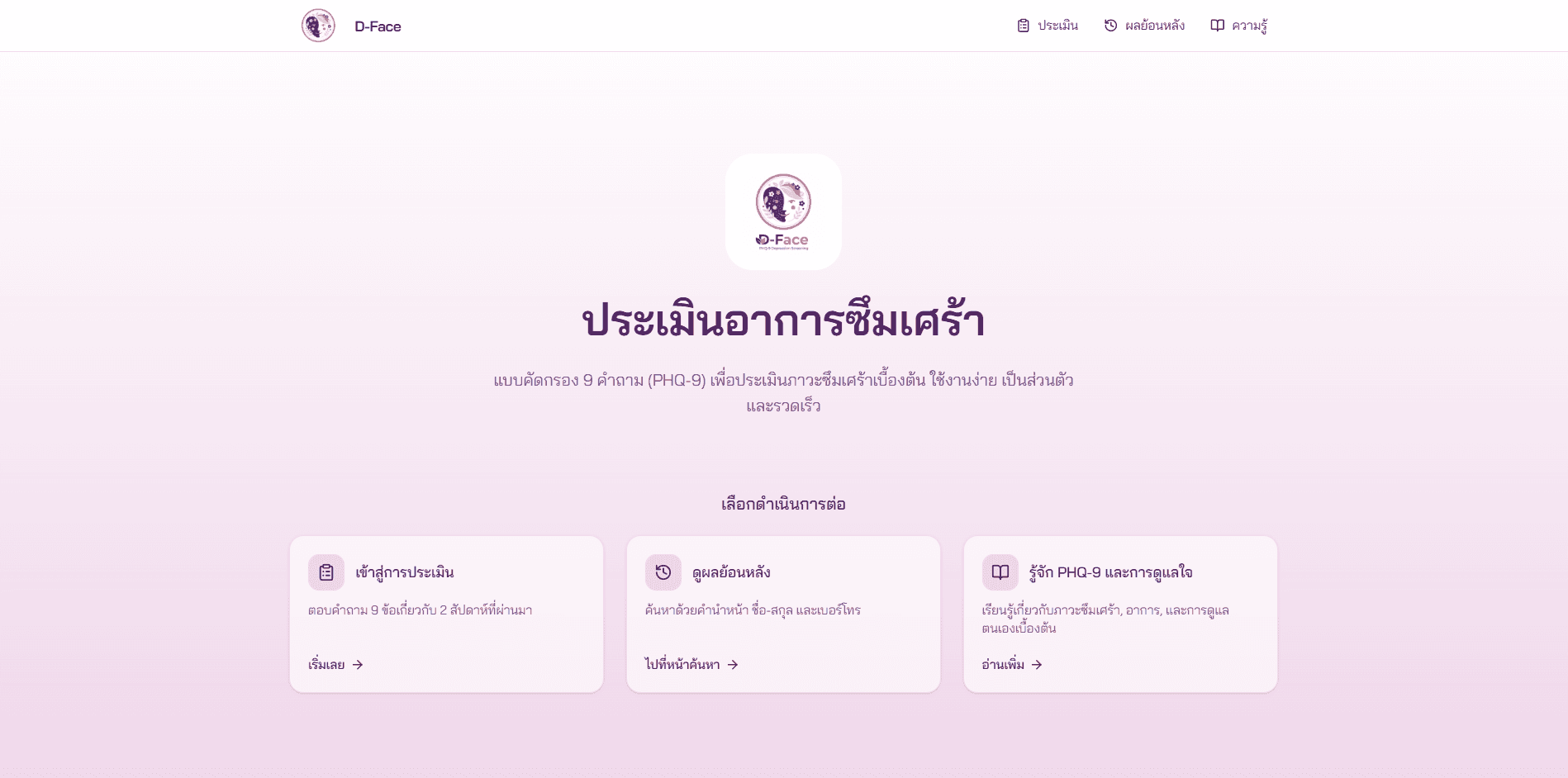
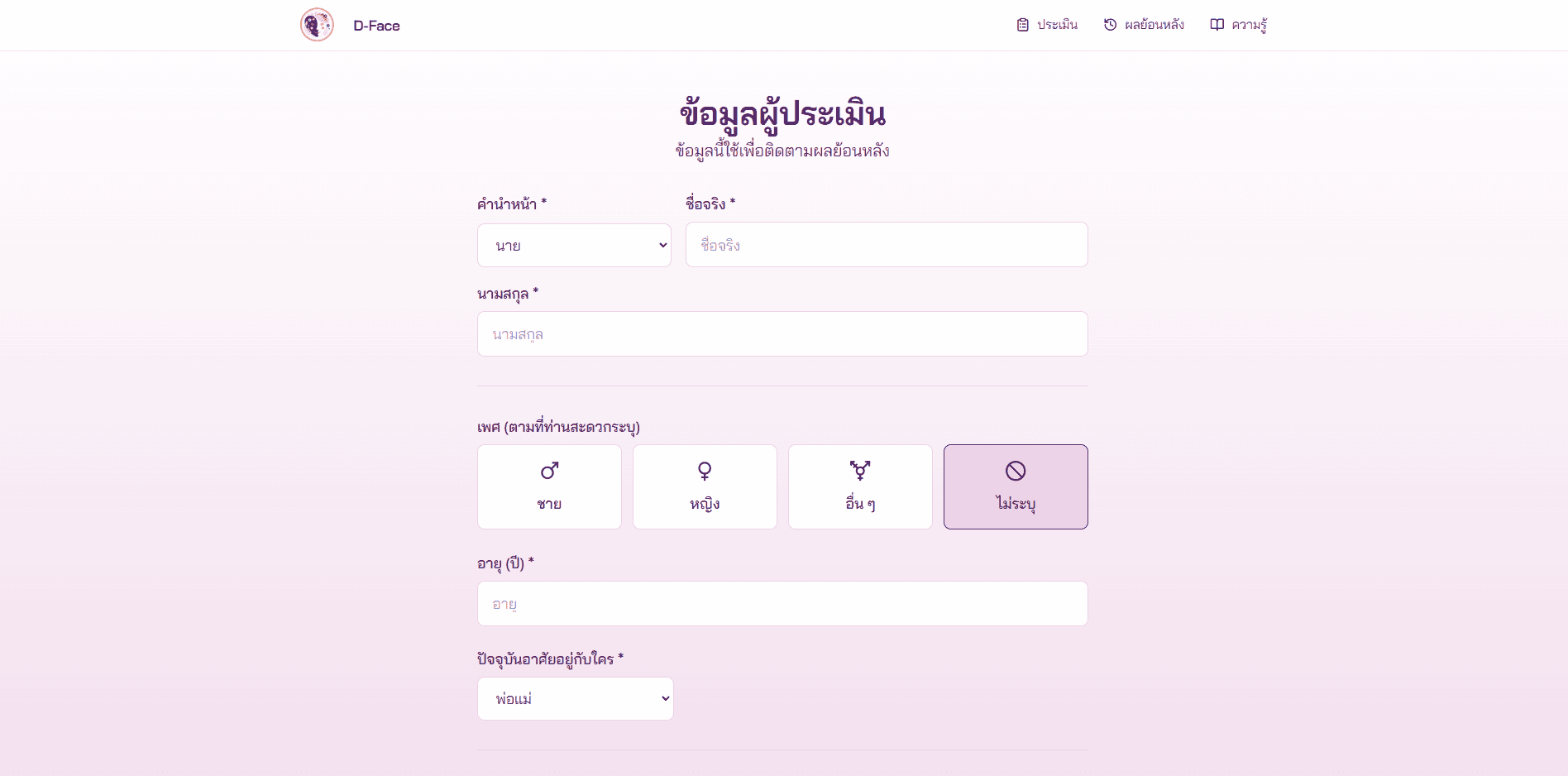
PHQ-9 Assessment Screen
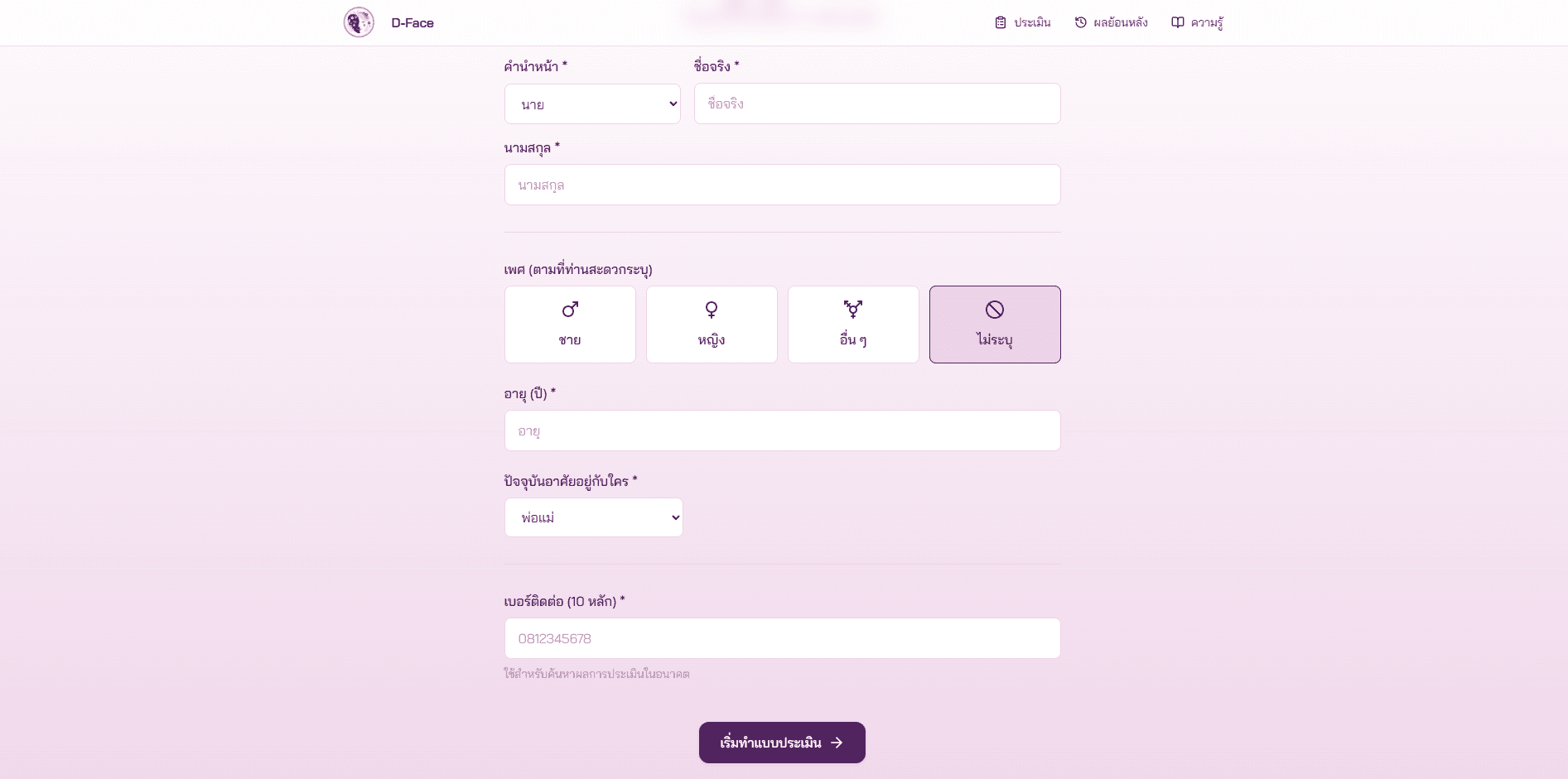
Results & History View
Retrospective
Challenges
- Accurately implementing scoring criteria and severity mapping, and presenting guidance that matches each severity level appropriately.
- Designing a supportive, non-intimidating user experience throughout the assessment flow.
- Storing and presenting historical results in a reliable and user-friendly way while preserving data consistency.
Learnings
- Designing questionnaire flows and structuring the pipeline from response capture to scoring, classification, and result presentation.
- Server-side validation and error handling to ensure trustworthy evaluation outcomes.
- Database modeling for assessment records and building efficient history queries for fast retrieval.
- Communicating health-related information clearly and respectfully through concise summaries and non-judgmental guidance.
Interested in work like this?
Tell me about your brief — I reply within 24 hours.